

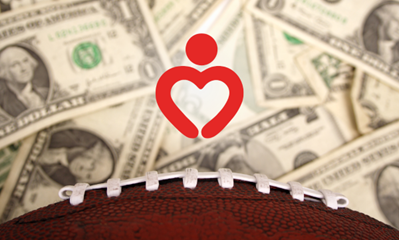
With football season kicking off, the excitement around sports betting is at an all-time high. Just as a football player chases the thrill of scoring touchdowns and winning games, gamblers seek a similar feeling from their bets. However, these emotions can quickly become obsessive, leading to a vicious cycle. It’s important to understand the risks involved and how to protect yourself and your loved ones from this potential danger.
The online sports betting industry is growing rapidly, reaching a total of $3.33 billion in the U.S. during the first quarter of 2024. While the football scene is popular, it isn’t the only sport to make a gamble on. People also wager on basketball, boxing matches, racing events, and more through various websites and apps.
So, how can you tell if sports betting has become problematic? When someone is dependent on sports betting, it is known as gambling disorder or compulsive gambling. This is a behavioral disorder that produces an uncontrollable urge to place bets, regardless of the consequences. Not only are finances at risk but these behaviors can lead to a decline in overall mental health, such as mood swings, anxiety, and even depression.
Here are the signs and symptoms of gambling disorder to watch out for:
Be responsible and take control of your emotions while sports betting. Before placing a bet, set time and money limits, and never gamble more than you can afford to lose. Many popular gambling platforms like DraftKings offer tools to set budgets, limits, and cool-off periods. Make sure to utilize these resources and find a healthy balance for other activities during game season. Self-control is key to safer play—win responsibly and accept your losses, because, at the end of the day, it’s all for entertainment.
If you or someone you know is struggling with unhealthy gambling, help is available. CADS offers prevention and treatment resources for adolescents and adults who may be dealing with a gambling disorder. Please see below for more information.
CADS Iowa Gambling Prevention and Treatment Services: (563) 823-4500
Iowa Gambling Treatment Program: 1-800-BETS OFF
The CADS Prevention Department can provide Scott County residents with the following problem gambling-related services:
If you or a loved one is at risk, click here to take our online assessment.
Read more from CADS:
1. Save a Life with Help from CADS
2. Practice Firework Safety with These Tips from CADS
3. How the Quad Cities Substance Abuse Prevention Coalition is Making a Difference in Our Community
 Treatment Services
CADS offers a variety of substance abuse services focused on support, care, and treatment designed to meet the needs of families and individuals of all age groups in the community.
More >
Are you at risk? Take our quick online assessment.
(309) 779-3000
© 2024 Center for Alcohol & Drug Services (CADS)
All rights reserved | Privacy Policy | Site by TAG inc.